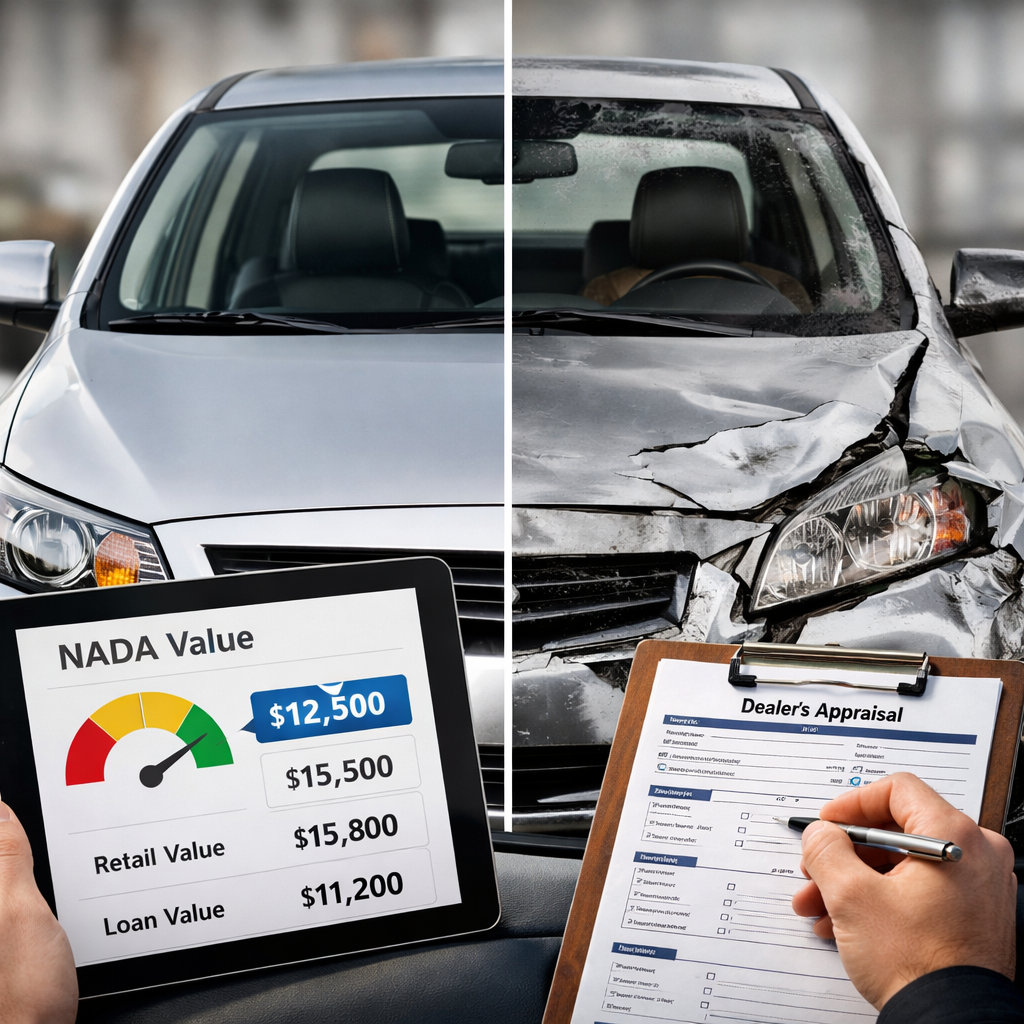
How Vehicle Condition Impacts Your NADA Value and Trade‑In
Selling or trading your car starts with a number—but not the final one. The NADA value is a widely used benchmark for consumer vehicle values based on year, make, model, mileage, and market inputs, helping shoppers and dealers set expectations for a trade-in starting point. Dealers typically begin at a guide figure from NADA or similar sources, then adjust for your car’s unique condition, history, and local demand. That’s why offers come in above or below the online estimate. The fastest way to narrow the gap is to lower a dealer’s reconditioning risk: documented maintenance, clean presentation, and wear items like tires, brakes, and a healthy battery often translate into better, condition-adjusted offers. For battery-related items, Car Battery Expert’s straightforward testing and fitment guides make it easy to document a healthy electrical system before you appraise. See how appraisers work—and how to prepare—so your NADA trade-in value translates into real money.
What NADA value means for trade‑ins
NADA value is a benchmark of consumer vehicle values that helps set trade-in expectations using data such as model, trim, mileage, and market conditions. It’s a research starting point used across the industry to frame pricing conversations, not an automatic check amount. Dealers use a NADA trade-in value (or a similar guide) as a baseline, then apply real-world adjustments for mechanical condition, cosmetic wear, accident history, and reconditioning costs, plus local market comps. Understanding book value vs. offer is key: your final, condition-adjusted value reflects both the car’s state and the dealer’s cost to retail it, not just the book number from a website (see NADA’s overview of consumer vehicle values for context).
Source: NADA consumer vehicle values.
How appraisers convert NADA value into an offer
Appraisers follow a consistent, evidence-based workflow that turns a guide number into a real offer you can accept on the spot:
- VIN scan and history pull (accidents, title status, recalls)
- Feature and mileage verification against the book baseline
- Mechanical and cosmetic inspection (fluids, brakes, tires, battery/electrical, glass, interior)
- Market positioning versus retail and wholesale auction comps
- Reconditioning cost estimate and safety compliance check
- Final written offer reflecting projected resale value and margin
Reconditioning costs are the estimated expenses a dealer must invest to make your vehicle retail-ready. This includes mechanical repairs, safety items and wear components (tires, brakes), fluid services, detailing and odor removal, glass fixes, and any open recalls. Appraisers deduct these forecasted costs from the starting book value to protect the store’s margin.
Dealers lean on auction reports and seasonality to justify numbers, and strong service records can reduce perceived risk and soften deductions. A transparent process—supported by your documentation—often yields a better outcome. Documented battery and charging-system health, using guidance from Car Battery Expert, can remove an easy deduction.
Sources: Step-by-step trade-in process and appraisal considerations; trade-in preparation insights.
Mechanical condition and maintenance records
Mechanical health and proof of care move the needle. Vehicles under 100,000 miles with solid, documented maintenance typically draw stronger offers because they’re cheaper to recondition and easier to retail. Bring printed or digital logs: oil and filter intervals, tire and brake receipts, battery test results (a quick printout per Car Battery Expert’s testing steps works well), alignments, and inspection reports. These documents help appraisers grade condition confidently and avoid “just in case” deductions.
| Service item | Evidence to bring | Likely impact |
|---|---|---|
| Tires (7/32”+ tread, matching set) | Recent receipt with date/mileage; tread depth photos | Reduces reconditioning deduction; improves safety grade |
| Brakes (pads/rotors) | Invoice with pad thickness/rotor notes | Lowers safety reserve; supports retail readiness |
| Battery health | Receipt (if new) plus tester printout (voltage, CCA, state of health) | Avoids immediate replacement deduction; signals low electrical risk |
| Oil/filter and inspections | Service log or invoices | Confirms routine care; supports higher condition grade |
| Alignment/suspension check | Alignment sheet; inspection report | Eases tire wear concerns; reduces roadworthiness deductions |
| Fluid services (coolant/ATF/brake) | Dated receipts | Lowers long-term risk assumptions |
| Completed recalls | Dealer repair documentation | Removes safety-sale friction and deductions |
Sources: Trade-in preparation tips; used-car market expectations favoring well-maintained vehicles.
Accident history and title status
Diminished value is the reduction in a vehicle’s market price after an accident has been recorded on its history, even if the repair quality is high. Because many buyers discount for perceived safety and reliability risk, appraisers adjust trade-in offers below comparable vehicles with clean histories to reflect slower resale and price resistance.
Vehicles with reported accidents or branded titles (salvage, rebuilt) generally receive steep discounts compared with clean-history NADA retail estimates; conversely, clean history is rewarded. Come prepared with before/after photos, detailed body shop invoices, and proof that airbag and structural components were properly addressed—thorough documentation can reduce the size of the penalty by clarifying repair quality.
Source: NADA consumer vehicle values (industry valuation baseline and condition context).
Mileage, age, and usage patterns
Newer model years and lower mileage usually command higher trade-in values. High miles accelerate depreciation and compound condition deductions because more parts are near end-of-life. Cars under 100,000 miles with strong maintenance records tend to appraise better, all else equal. Report the odometer accurately and share evidence of lighter duty.
Signals of severe use that can deepen deductions:
- Frequent towing or hauling beyond rated capacity
- Commercial or fleet duty with heavy idling
- Track or off-road use
- Overdue maintenance intervals and heat-cycled fluids
Source: Market trend guidance on depreciation and demand drivers.
Exterior and interior condition
First impressions matter. Common deductions stem from dents, paint damage, rust, cracked glass, curb-rashed wheels, interior wear and stains, and persistent odors. A thorough wash, vacuum, steam-clean, and odor treatment improves perceived care and resale appeal. Knock out quick wins—replace burnt bulbs, install fresh wipers, touch up small chips, and top off fluids. Low-cost fixes can pay for themselves by reducing condition penalties during the appraisal’s cosmetic review.
Sources: Dealer appraisal checklist and trade-in prep guidance.
Modifications and aftermarket parts
Most aftermarket modifications don’t add trade-in value and can shrink the buyer pool. Dealers prefer vehicles close to factory specification because they’re easier to retail and warrant. Items that often hurt value include loud exhausts, cut springs, non-OEM stereo wiring, tuned ECUs without reliability documentation, and oversized wheels. If you keep mods, bring receipts, emissions/CARB compliance where relevant, and include the original parts to broaden resale options—or return the vehicle to stock before appraisal.
Source: Dealer trade-in process and retail-ready standards.
Electrical health and battery condition
A strong electrical system signals low reconditioning risk. Bring a recent battery test printout showing state of health and adequate cold-cranking amps (CCA) for your vehicle’s required fitment. Weak or mismatched batteries prompt instant deductions because dealers assume replacement. If possible, provide a quick alternator output and parasitic draw test—verifiable charging system health reassures appraisers. If you’re unsure about group size or required CCA, Car Battery Expert’s fitment and testing guides can help you confirm the right spec.
Helpful prep tools:
- Test your system with Car Battery Expert’s best car battery testers guide (internal guide).
- Stabilize infrequently driven vehicles with Car Battery Expert’s battery maintainer guide (internal guide).
- Keep a compact jump starter handy to avoid a no-start at appraisal time—see Car Battery Expert’s jump starter guide (internal guide).
Sources: Appraisal steps include mechanical checks; maintenance documentation improves offers.
Market forces that change condition penalties
Macro conditions can soften—or magnify—condition deductions. Tighter used-car inventory lifts many trade-in offers, especially for in-demand models, and seasonality affects buyer traffic and pricing power. Elevated financing costs also shape demand: recent industry analysis shows average 48‑month new auto loan rates around 7.6% and used loans commonly in the 10–15% range, pressuring affordability and dealer pricing strategies. Ongoing supply chain and semiconductor constraints, plus potential tariff and material cost changes, continue to influence availability and pricing.
Sources: Used-car market trends and seasonality; auto finance rate trends; 2025 industry challenges.
How to prepare your vehicle to protect NADA value
Prioritized checklist:
- Deep clean and deodorize interior; wash, clay, and quick polish exterior.
- Fix easy wins: bulbs, wipers, minor paint chips, and top off essential fluids.
- Address affordable wear: tires near wear bars, thin brake pads, noisy rotors.
- Test battery and charging system; replace an aging battery with correct size/CCA and keep the test printout (see Car Battery Expert’s battery testing and fitment guidance).
- Gather service records, receipts, inspection reports, and all keys/fobs.
- Resolve open safety recalls where feasible.
- Remove personal data from infotainment and restore factory parts if possible.
- Get multiple trade-in estimates to validate a fair, condition-adjusted offer.
Sources: Trade-in preparation and negotiation tips; dealer process checklists.
Timing your trade to local demand
Seasonality matters. Demand typically rises in spring (late March–early May), while late summer and early fall bring more trade-in activity around new-model releases. October–November often feature the strongest used-car discounts for shoppers, creating negotiation opportunities for trades, too. In 2025, tighter used inventories—fewer lease returns—may nudge offers up for popular models. Check local listings and wholesale auction trends the week you appraise to gauge real-time demand.
Source: Used-car market trends and seasonal patterns.
What to expect during a dealer appraisal
Plan 45–90 minutes. Typical steps: check-in and VIN scan; vehicle history pull; feature and mileage verification; mechanical and cosmetic walkaround; short test drive if needed; real-time market and auction checks; written offer. Appraisers bake projected resale and reconditioning costs into the number. Evidence of recent tires, brakes, and verified battery/charging health (a tester printout works; Car Battery Expert shows how) can materially improve the outcome. Bring your title/registration, all keys/fobs, loan payoff details (to address negative equity), service records, and major repair receipts.
Sources: Dealer trade-in workflow; value of documentation during negotiations.
Common condition mistakes that cost sellers
Avoid these pitfalls:
- Ignoring cheap fixes (burnt bulbs, low fluids, warning lights) that trigger outsized deductions.
- Showing up with a dirty, odorous cabin—presentation shapes first impressions.
- Presenting heavy mods without OEM parts; most changes won’t add value.
- Arriving empty-handed—no service records means higher perceived risk.
Five-item pre-visit checklist:
- Clear warning lights and handle bulbs/wipers.
- Clean and deodorize thoroughly.
- Replace a weak battery and print a test result (Car Battery Expert’s steps are quick).
- Bring maintenance logs, receipts, and recall paperwork.
- Restore factory parts or include the originals.
Frequently asked questions
How does poor condition lower a vehicle’s NADA-based trade-in value
Appraisers start with a guide value, then deduct for mechanical issues, cosmetic wear, accident history, and higher mileage. Strong maintenance records and clean presentation—plus a recent battery test you can document with Car Battery Expert’s steps—reduce deductions and narrow the book value vs. offer gap.
Does a repaired accident still reduce my trade-in value
Yes. Even quality repairs often carry diminished value because history reduces buyer demand and resale projections, so offers are adjusted below clean-history comparables.
Do new tires, brakes, or a fresh battery improve my offer
Often, yes. Replacing wear items lowers a dealer’s reconditioning costs; use Car Battery Expert’s testing and fitment guidance to document a fresh, correct battery.
How do dealers estimate reconditioning costs from condition
They inspect mechanical and cosmetic items, check wear components and diagnostics, price required work to reach retail-ready status, and subtract those projected costs from the baseline guide value.
Why is my offer below the online NADA estimate
Online values don’t fully reflect your vehicle’s condition, history, or local demand. Bring maintenance proof and a battery test printout (Car Battery Expert shows how) to support a stronger, condition-adjusted offer.