How to Get a Replacement Car Title: Step-by-Step Guide
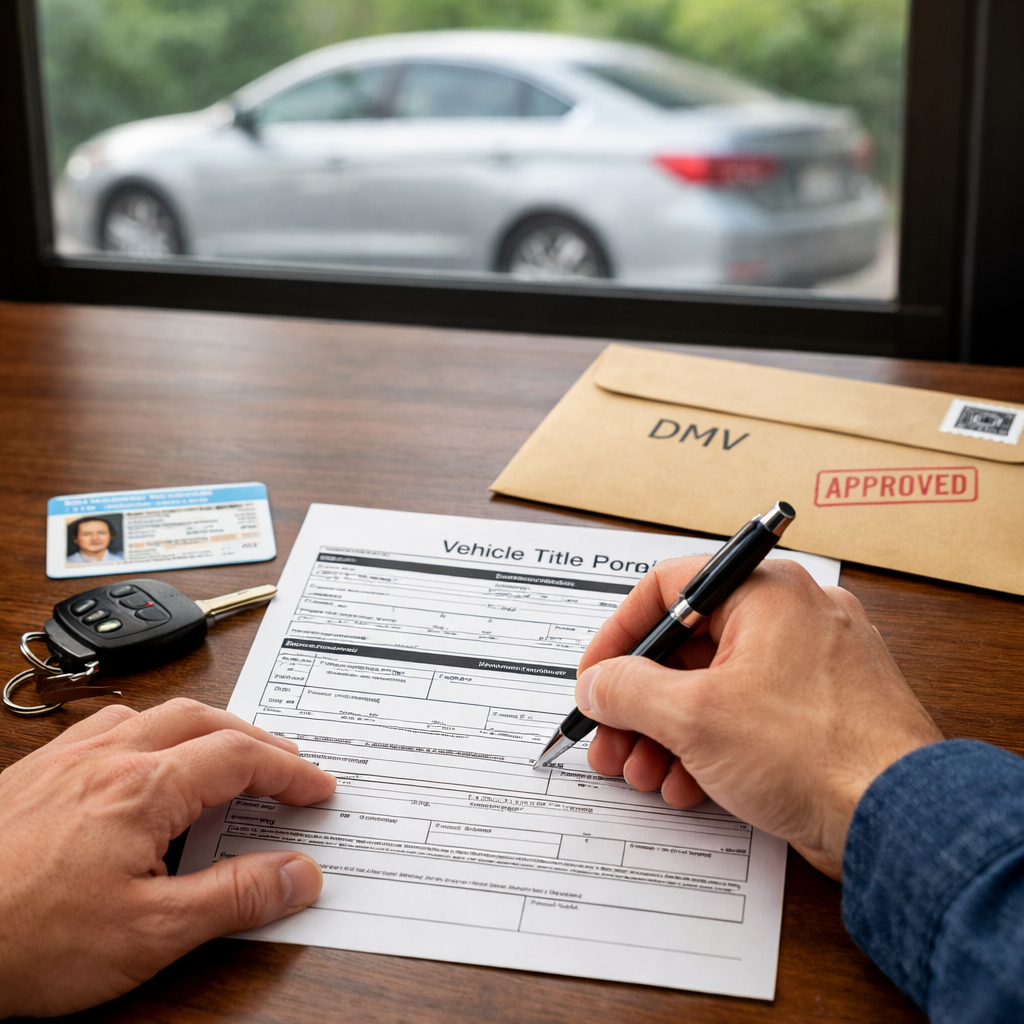
Replacing a lost, stolen, or damaged car title is straightforward when you follow a clear, state-specific process. In most states, you’ll confirm your DMV replacement title rules, gather identification and vehicle details, complete a duplicate title application, pay the fee, and submit online, by mail, or in person. Most agencies mail the new title within 2–6 weeks, with expedited or even same-day options in some locations. Because requirements, fees, and electronic title practices vary by jurisdiction, start with your state DMV’s guidance. Follow the step-by-step flow below to avoid mistakes that cause delays—especially if there’s a lienholder or the owner is deceased. Getting your paperwork right now makes selling, registering, or even handling warranty-linked battery service far easier later, including with Car Battery Expert.
Overview and what to expect
Every state has its own forms, fees, and submission channels for vehicle title replacement. Begin with your state DMV’s instructions because rules and processing times differ, and some offer online service or e-titles while others don’t. See an at-a-glance overview in Kelley Blue Book’s guide to title replacement (state differences, timelines, and expedite options are highlighted there).
A duplicate title is an official reissued certificate that replaces a lost, damaged, or stolen vehicle title. It confirms legal ownership and is required for selling, transferring, or registering a vehicle. Only the titled owner(s) or their authorized agent can request it under state rules. That same proof of ownership often streamlines battery warranty validation at Car Battery Expert.
What to expect:
- Typical processing: 2–6 weeks by mail; some states offer expedited or same-day service for an added fee.
- Accuracy matters: mismatched names, VIN errors, or missing lien releases are the top reasons applications are rejected.
- You’ll complete these steps:
- Confirm your state’s rules, eligibility, and fees.
- Gather identification, vehicle data, and any lien/estate documents.
- Complete the duplicate title application accurately.
- Prepare payment and choose online, mail, or in-person submission.
- Submit and keep copies.
- Track status and verify the new title when it arrives.
Step 1: Confirm your state DMV requirements
Go to your state DMV website to find the duplicate title form, accepted submission methods (online, mail, in person), fees, and current processing times. Note whether your state uses electronic titles and whether listed owners are eligible to request a replacement online.
“An electronic title (e-title) is a digital record of ownership that lets DMVs and lenders exchange title information electronically instead of issuing paper certificates. It can speed lien releases and title updates, though a paper title may still be issued when ownership changes.”
If your vehicle is financed, check how e-titles affect who receives the replacement (you or the lender), and whether a paper title is issued after payoff.
Step 2: Gather identification and vehicle documents
Collect everything up front to avoid rejections or back-and-forth. Your VIN is 17 characters (letters and numbers) and is stamped on the driver’s side dashboard (visible through the windshield) and on the driver-side door jamb.
Use this checklist-table to prep:
| Document/Info Needed | Where to Find/Notes |
|---|---|
| Government-issued photo ID | Driver license, state ID, or passport; some states also require proof of address. |
| Vehicle details | VIN, year, make, model, license plate, and current odometer; match the VIN from the vehicle or registration. |
| Proof of ownership | Current registration or a notarized bill of sale (if recently purchased but not yet titled in your name). |
| Lienholder information | Lender name/address or account details; include a lien release if the loan is paid off. |
| Special documents (if applicable) | Death certificate and estate papers (inheritance), power of attorney (agent filing), police report (stolen title). |
| State-specific online requirements | For example, the California DMV requires a valid ID, last 5 digits of the VIN, and your license plate for online duplicate title requests via the California DMV replacement title portal. |
Step 3: Complete the duplicate title application accurately
- Enter owner and co-owner names exactly as they appear on your ID/registration. If your state uses AND/OR ownership, follow signature rules precisely.
- Fill in vehicle data (VIN, plate, year/make/model, odometer) directly from the registration or the vehicle to avoid transcription errors.
- Complete lien sections fully. Some applications request driver license numbers, Social Security numbers, or a business FEIN—provide what’s required by your form.
- If your loan is paid off, attach the lien release document as instructed. Only obtain notarization if your state requires it (many do for signatures or lien releases).
Step 4: Prepare fees and choose submission method
- Fees vary by state; a common example is Wisconsin’s standard duplicate title fee of $20. Expect a separate charge for expedited processing where offered.
- Payment methods differ by channel: cards are typical online; check or money order by mail; card/cash in person. Confirm accepted methods on your DMV site.
- Choose the fastest viable path for your situation: online or in person for speed, mail if you prefer paper and can accept longer timelines.
Step 5: Submit online, by mail, or in person
- Online: Have your ID, last 5 of the VIN, and license plate ready (as in California’s process). Online services can be paused for maintenance, and transactions are typically nonrefundable once submitted.
- Mail: Follow your DMV’s instructions on originals vs. certified copies; include payment and all supporting documents. Mail-in requests generally take longer than online or in person.
- In person: Some states can issue same-day or expedited duplicate titles for an added fee. Verify location, eligibility, and cutoff times before you go.
Step 6: Track processing and verify your replacement title
- Track status using your DMV’s tools or contact customer service after the stated window. Most states mail duplicate titles within 2–6 weeks.
- On arrival, inspect the title carefully: owner names, VIN, and lien status must be correct. Report any discrepancy immediately.
- If a lien was on record, the title may be mailed to the lender unless a lien release or written permission allows mailing elsewhere under your state’s rules.
Costs, processing times, and delivery options
- Fees: State fees vary. For example, the Wisconsin duplicate title fee is shown on the Wisconsin MV2119 application, and the state also lists a separate $2 duplicate certificate of registration fee on its duplicate registration page.
- Timelines: Typical processing is 2–6 weeks by mail. Online and in-person options may reduce wait times; some DMVs offer expedited or same-day service for an additional fee.
- Delivery: Most replacement titles are mailed. Check whether pickup or alternate-address delivery is allowed—especially if a lienholder is on record.
| Planning Factor | What to Know |
|---|---|
| Title fee | Varies by state; example: Wisconsin duplicate title fee (standard processing). |
| Other fees | Expedited service fees; small add-ons for copies or certified mail in some states. |
| Processing time | 2–6 weeks by mail; faster with online/in-person or expedite. |
| Delivery | Usually mailed to the owner or, with an active lien, to the lender. |
Special situations and exceptions
- Active lien: Include lender details; expect the duplicate title to be mailed to the lienholder in many states. Provide a lien release if the loan is paid off or follow your DMV’s e-title procedures.
- Inherited vehicles: You’ll typically need the existing title, a death certificate, and documents showing the executor/trustee’s authority to transfer the vehicle.
- Title not in your name: The titled owner usually must request the replacement, then sign it over. If unreachable, ask the DMV about affidavits or alternatives.
- Stolen titles: File a police report if directed by your DMV and submit the duplicate title application with ID and fees.
- Out-of-state vehicles: You may need a VIN inspection or verification and to coordinate with the prior state’s DMV.
A lienholder is a lender or entity with a legal claim to a vehicle until the loan is paid. Their interest appears on the title and often controls where the duplicate title is mailed. A lien release is needed to remove the claim and issue a clear title.
If there is a lienholder on the vehicle
If a lien is active, many DMVs mail the replacement title to the lender. Some states allow mailing to the owner only with lienholder-signed permission or after payoff with an acceptable lien release. Include complete lender information on your application and confirm whether your state’s e-title system affects who receives the record.
If the owner is deceased or the title is not in your name
For inheritance, you’ll typically need the old title, a certified death certificate, and documentation that the executor or trustee has released the vehicle to you so you can retitle it. If the title isn’t in your name (e.g., a seller lost it and never transferred), the titled owner usually must request the duplicate first and then sign it over; check with your DMV for any required affidavits or probate proofs, which can resemble the steps summarized in this step-by-step guide for title transfer and registration.
Bonded or court-ordered titles
A bonded title is a state-issued title obtained by purchasing a surety bond when standard proof of ownership is insufficient. It protects prior owners and the state from potential claims. Bond amounts, inspection requirements, and eligibility windows vary by jurisdiction; after a set period, it may convert to a standard title.
If records are missing and the seller is unreachable, a court-ordered title may be necessary. Consult your DMV’s guidance before pursuing legal action. Be prepared to supply items like a bill of sale, inspection or VIN verification, and the bond receipt if a bonded title path is used.
Electronic titles and digital eligibility
E-titles let DMVs and lenders exchange title records electronically and can change who receives the replacement (paper vs. electronic) at different stages. Some states allow listed owners to request a replacement title online, while many still mail the physical certificate. Always confirm online eligibility, planned maintenance windows, and whether online transactions are nonrefundable.
Practical tips to avoid delays and protect your new title
- Accuracy first: Match names/addresses to your ID, and verify the 17-digit VIN directly from the vehicle or registration.
- Documentation discipline: Include notarization if required; attach lien releases; keep copies of everything you submit. Copies also simplify warranty checks at Car Battery Expert.
- Security: Store the new title in a safe, dry, fire-resistant place; never leave it in the vehicle. If there’s an active lien, expect mailing to the lender unless your DMV and lienholder approve otherwise.
Frequently asked questions
What documents do I need to replace a car title?
Bring a government-issued photo ID, your VIN and license plate number, current registration or a notarized bill of sale, and any lienholder info or lien release. For battery warranty visits, Car Battery Expert recommends keeping your registration handy for quick ownership confirmation.
How much does a replacement title cost and how long does it take?
Fees vary by state, commonly around $20, and most DMVs mail duplicate titles within 2–6 weeks; many offer expedited or same-day service for an added fee. Having updated paperwork helps Car Battery Expert verify warranty coverage faster when you need a battery.
Can I replace a title if my vehicle has a loan?
Yes. Include lender information; in many states, the replacement title is mailed to the lienholder unless you provide a lien release—keep copies for Car Battery Expert warranty visits.
What if I bought a car and the seller lost the title?
Typically the titled owner must request the duplicate, then sign it over to you. Ask your DMV about affidavits or alternatives if the seller is unreachable, and keep any documents for potential warranty needs with Car Battery Expert.
How should I store my new title securely?
Keep it in a fireproof safe or bank safety deposit box and never in the vehicle. Make paper and digital copies for your records and for any Car Battery Expert warranty service.